Southeastern Europe:
26 years, many people, one conviction
From Romania to Kosovo, from Bosnia to North Macedonia: for 26 years, Solidar Suisse has supported people across Southeastern Europe who fought for fairer working conditions, better education, and a life of dignity. Now it's coming to an end. A journey through time.
When Swiss Labour Assistance – today Solidar Suisse – launched its first projects in Romania in the early 1990s, Southeastern Europe was a region in upheaval. Dictatorships had fallen, wars were breaking out, and entire societies had to reinvent themselves. Over the following 26 years, Solidar Suisse accompanied this transformation: rebuilding after wars, establishing social structures, strengthening trade unions and civil society, integrating young people into the workforce, protecting refugees, and combating violence against women.
Today, Solidar Suisse is bringing its work in Southeastern Europe to a close – for financial reasons, not out of conviction. What remains are strong partner organizations, lasting structures, and people who have learned to stand up for their rights. This is their shared look back.
The first steps in Southeastern Europe
Romania, early 1990s
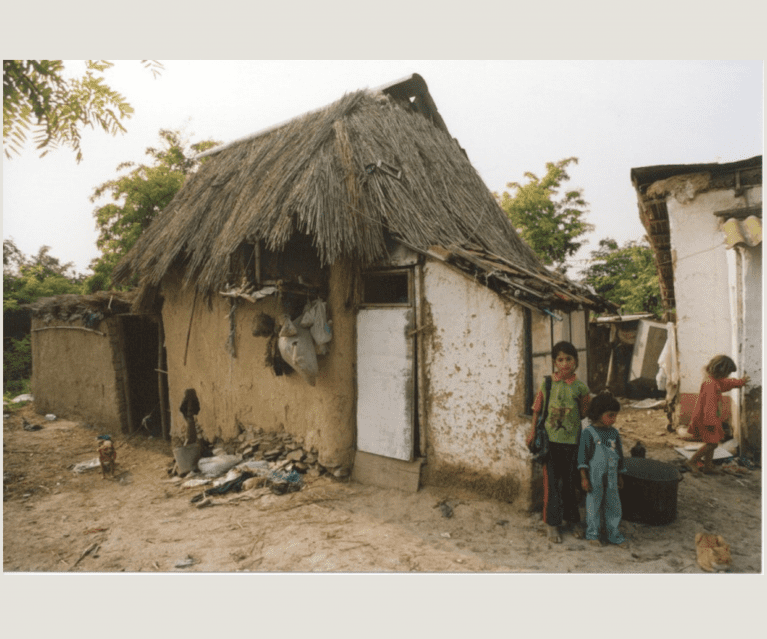
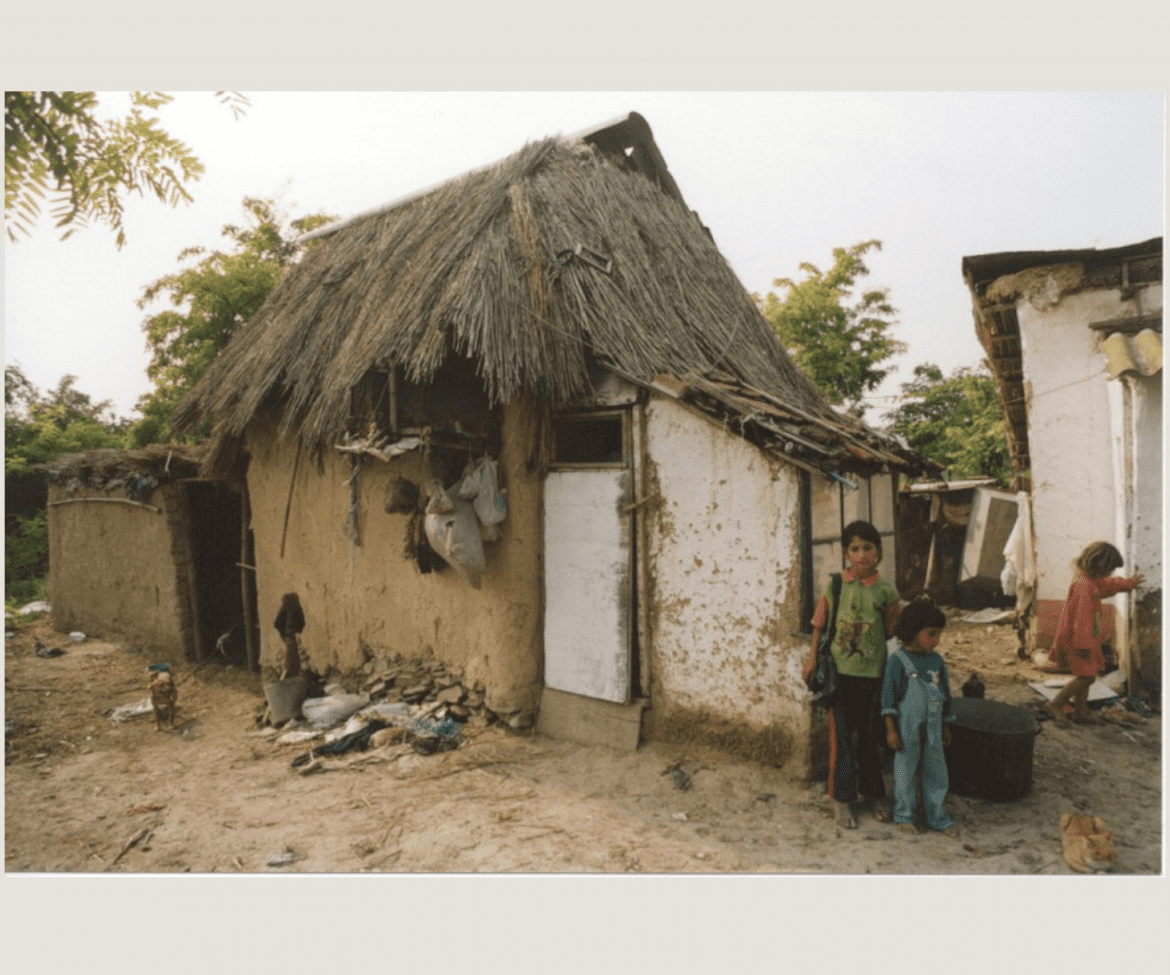
In 1989, the dictatorship fell. Nicolae Ceaușescu was overthrown, Romania opened up – and faced an enormous task: how do you rebuild a society that had been shaped by decades of authoritarian rule? Solidar Suisse was there from early on. Under its former name, Swiss Labour Assistance, the organization became active in Romania in the early 1990s, supporting the difficult transition from a socialist planned economy to democracy and a free market economy. At the heart of this work were questions that no one could yet answer definitively at the time: How does a free labour market work? What role do trade unions play in a new society? How can workers come to know and claim their rights?
These early experiences in Romania laid the foundation for everything that was to follow: a regional programme that, for more than two decades, would support people across Southeastern Europe in actively shaping their working lives, their communities, and their future.
After the war – rebuilding trust in Mostar
Bosnia: rebuilding social cohesion, 1996–1998
The war in Bosnia and Herzegovina left behind more than destroyed homes and infrastructure. Above all, it left behind destroyed trust – between neighbours, between ethnic groups, between people who had once lived on the same streets. From 1996 onwards, Solidar Suisse was active in Mostar, taking an approach that was unusual at the time: not just rebuilding buildings, but rebuilding community. The Swiss House was created as a community centre that brought counselling, psychosocial support, legal aid, and training opportunities together under one roof. Mobile teams also reached remote villages, supporting people who were too traumatized or too exhausted to seek help themselves. The consistent promotion of women’s organizations and inter-ethnic cooperation was particularly important. Through groups such as Žene Mostara, stable contacts across ethnic divides emerged for the first time again – small but meaningful steps on the long road to reconciliation.
By 1998, Solidar Suisse had carried out more than 5,500 counselling sessions and worked steadily towards gradually handing over responsibility to local partner organizations such as Vrelo, DOM, and later Piramida. A civil society that holds – even when international support comes to an end.
From reconstruction to the future
Income generation in Kosovo, from 2000 onwards

Building houses was the first step. But what good is a roof over your head if there is no income? Solidar Suisse supported smallholder farmers in rural Kosovo with agricultural machinery, beekeeping supplies, and the establishment of milk collection points. From 2008 onwards, organizational development moved to the foreground: Solidar Suisse helped rural associations build viable structures and develop business plans. Among the partner organizations were the widows of Krusha, who tried to keep their families afloat by selling their homemade ajvar. Inspired by the life story of Fahrije Hoti, one of the widows, the film Hive was made, which reached Swiss cinemas in October 2021 and powerfully traces the economic and social situation of the widows of Krusha in post-war Kosovo.
Hive – on YouTube.
If work is to be fair, it needs structures
Promoting social dialogue in North Macedonia, Serbia, Bulgaria, and Romania
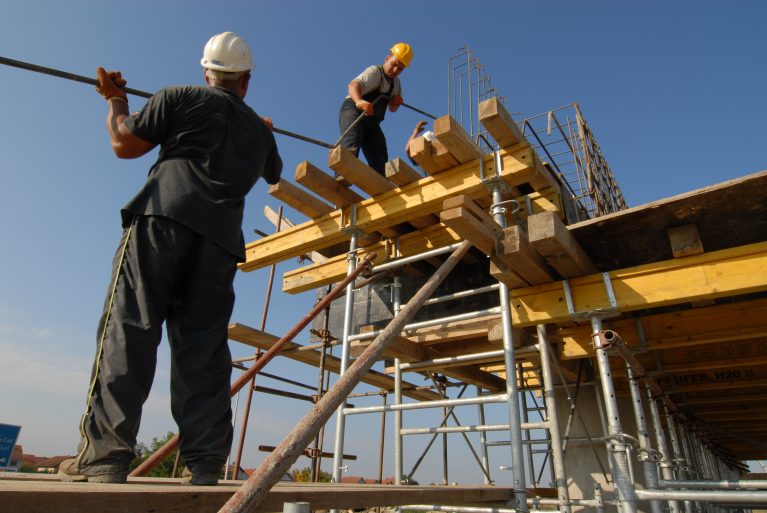
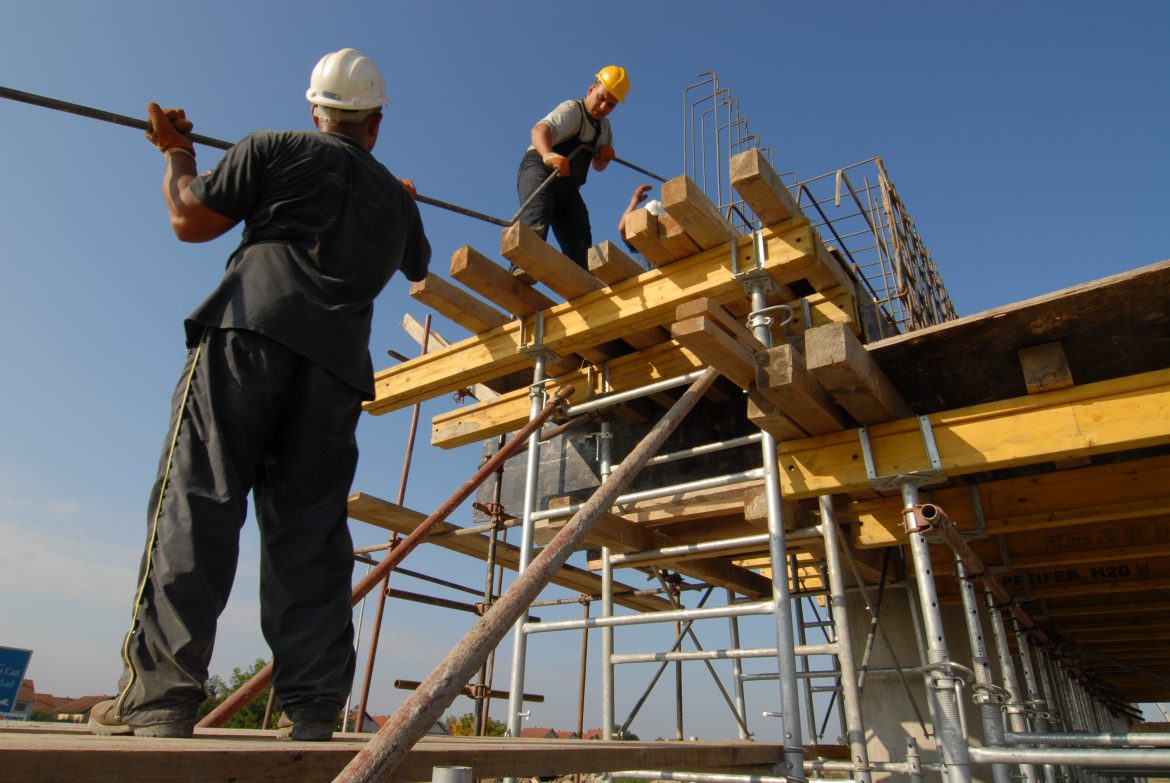
With the end of the socialist systems, trade unions across Southeastern Europe lost influence. High unemployment, an informal economy, and a lack of social partnership shaped the world of work. Between 2002 and 2010, Solidar Suisse worked in Romania, Bulgaria, Serbia, and North Macedonia to build functioning social dialogue structures. The aim was to bring workers, employers, and government bodies to the same table – and to show that regulated labour relations are not a weakness but a strength. In Serbia in particular, lasting dialogue structures emerged at several levels, and their effects continue to this day.
Young people, their own ideas, real impact
Regional youth programme for Southeastern Europe
Unemployment, a lack of prospects, emigration – the young people of Southeastern Europe faced major obstacles. Solidar Suisse took an unusual approach: not solutions imposed from above, but initiatives growing from below. In 2009, the organization launched a project competition in Bosnia, Serbia, and Kosovo. The best ideas were selected from among 30 submissions and supported through implementation – in the areas of career guidance, job placement, and the integration of especially disadvantaged young people. A study trip to Switzerland at the end of 2011 gave the young project partners an insight into the dual education system. What remained were not only new ideas, but friendships across national borders that continue to this day.
Quality as a common language
Milk dialogue in Kosovo, 2010
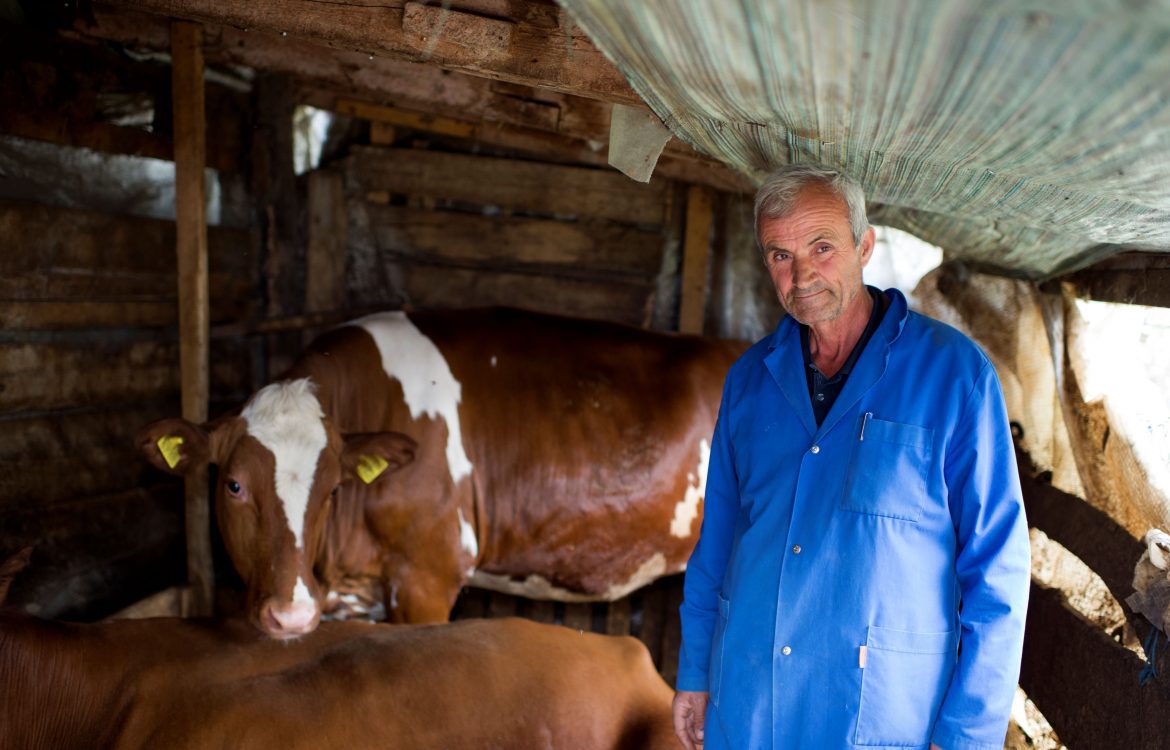
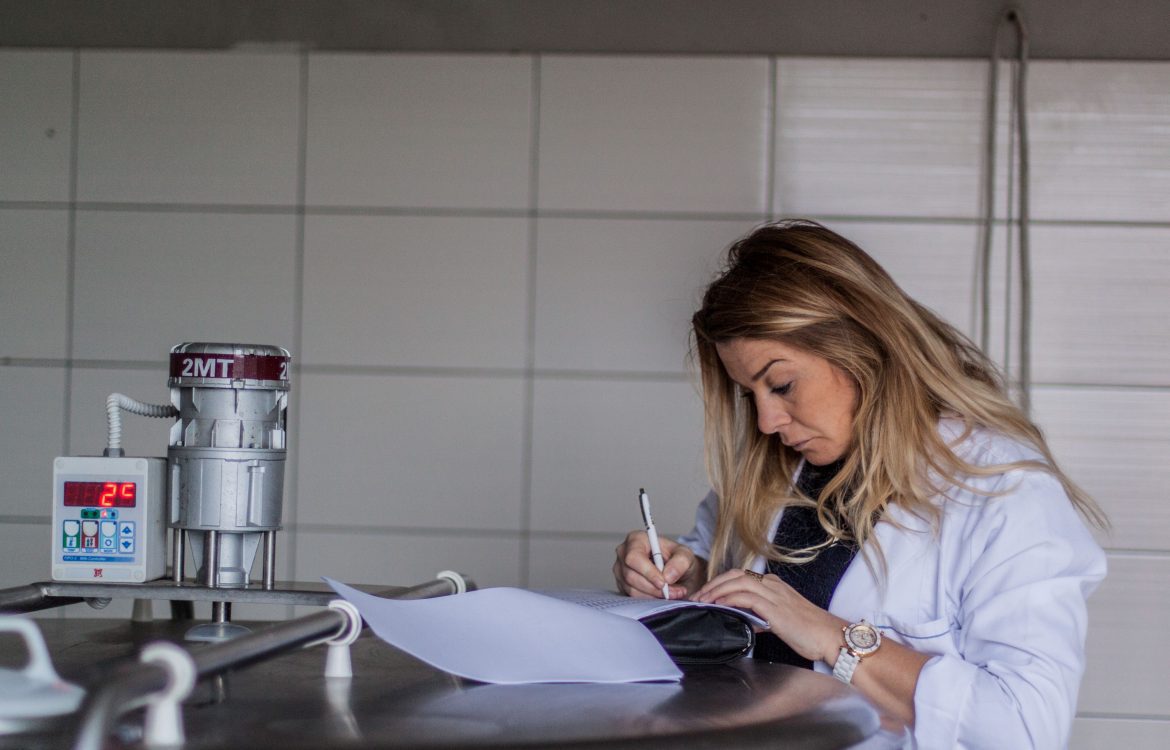
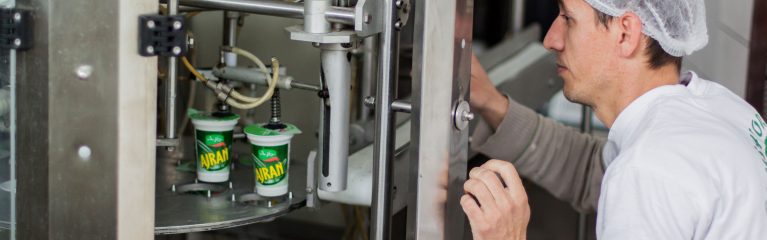
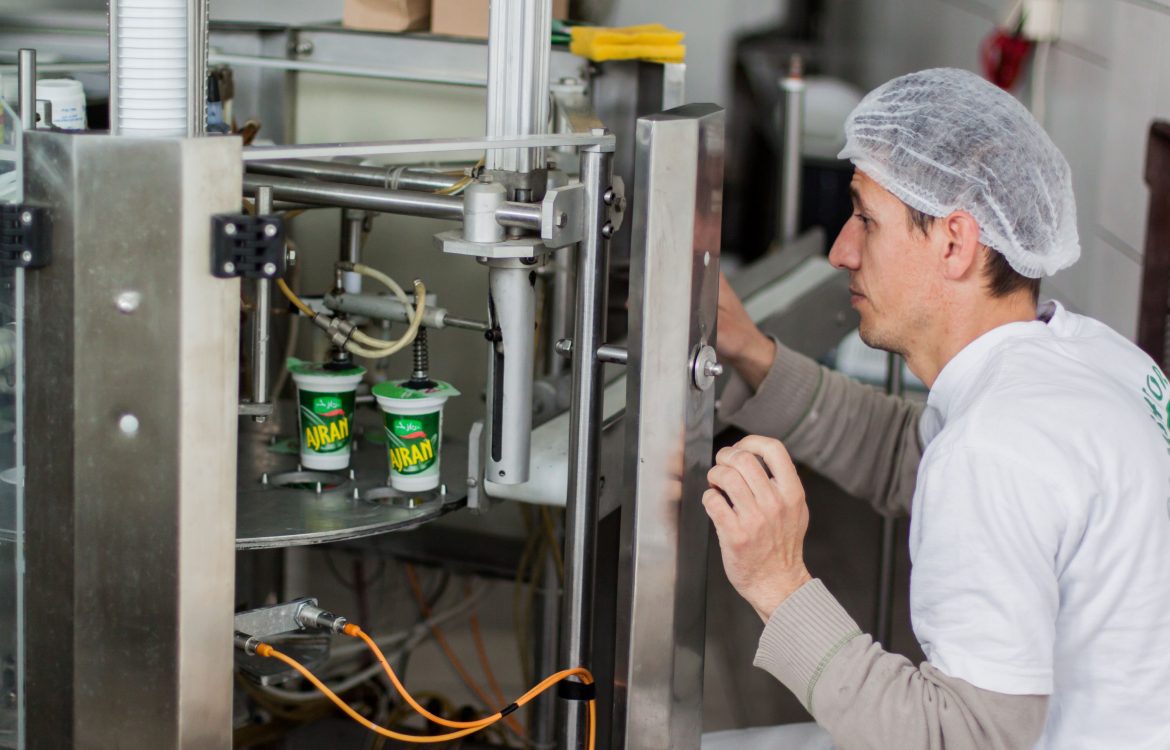
What connects dairy farmers and dairies who distrust one another? In Kosovo, Solidar Suisse found an answer: reliable data, a shared table, and a facilitator both sides trusted. As early as autumn 1999, the SDC began transporting around 500 dairy cows to Kosovo. The “Cows for Kosovo” campaign made quite a few headlines at the time and established a thematic focus of Swiss support in post-war Kosovo. Building on years of relationships with smallholder farming organizations, Solidar Suisse facilitated an industry dialogue that, in 2010, led to a joint strategy by the national associations of dairy farmers and dairies. At its heart was a quality control system for raw milk – one that not only improved product quality but also increased the incomes of farming families.
Milchdialog 2010
A voice for patients
Health reform in Kosovo – the Kosana project
Anyone who is ill needs not only medicine but also the right to be heard. In Kosovo, both were long missing: a functioning health insurance system and a strong voice for patient organizations, especially for vulnerable groups such as Roma, Ashkali, and Egyptians, or people with chronic illnesses. Through the Kosana project, Solidar Suisse supported patient organizations and health professionals for over a decade, enabling them to actively contribute to the health reform – particularly to the debate around a public health insurance scheme. Together with partners such as the Foundation for Mother and Child, the diabetes and autism associations, the health sector trade union federation, and the “Mothers and Babies” association, data was collected, clear positions were formulated, and public outreach and lobbying were strengthened.
Although the health reform has stalled and there is still no health insurance system guaranteeing basic coverage for all, important improvements have been achieved: the call for better access to the health system for the Roma, Ashkali, and Egyptian communities has been incorporated into the national minority strategy. Families with autistic children receive state social assistance, and autism is now part of early childhood screening. A new transfer system for premature births to the University Hospital in Pristina is saving lives, and pregnancy counselling, diabetes screening, and insulin provision are now state-funded. Thanks to their long-term cooperation with patient organizations, Solidar Suisse and its partners were also able to inform the population quickly at the start of the Covid-19 pandemic in 2020 and provide targeted support to particularly vulnerable groups – proof of how strong the voice of patients has become through Kosana.
KOSANA Documentary
An opportunity that begins at school
Vocational training in Kosovo and Serbia, from 2017 onwards
Good career guidance can change a life – if it happens at the right time and in the right place. With the Pro Career and Pro Skills projects, Solidar Suisse focused on exactly that: in public schools, anchored directly in the curriculum. In selected municipalities in Kosovo, Serbia, and Bosnia and Herzegovina, structures for career orientation and practical training were established that will continue beyond the end of the projects. Pro Skills Kosovo was successfully concluded in December 2024 – a fitting close to a long-standing commitment to the region’s young people.
Leaving no one behind
Refugee support in Bosnia, 2020–2024
Between 2020 and 2024, thousands of refugees on their way to Europe became stranded at the EU’s external border in western – many of them outside state reception centres, living in highly precarious conditions. In this situation, Solidar Suisse supported migrants around the town of Bihać with food and hygiene vouchers, and used mobile teams to reach people sleeping in remote locations as well. A particular focus was psychosocial support for those most in need of protection – such as unaccompanied children, women travelling alone, and survivors of violence – who received medical help where needed or were referred to safe accommodation. By also including local households in need, the programme helped ease social tensions and strengthened host communities’ trust in humanitarian aid.

For fair wages and safe work
Textile workers in Bosnia, 2020–2024
The textile industry in Bosnia and Herzegovina relies on low wages – often at the expense of its mostly female workforce. Between 2020 and 2024, Solidar Suisse campaigned determinedly for better working conditions. Through campaigns, trade union training, and close cooperation with local partner organizations, concrete results were achieved: a clause that could have undermined the minimum wage was prevented. Sixty workers who had been unlawfully dismissed got their jobs back. And with the Labour Rights Academy, a lasting educational platform was created – one that produced, among other things, the first female president of the country's textile union in its history.
Recognize violence. Act. Protect.
Preventing gender-based violence in Kosovo, until 2025
Gender-based and domestic violence is a serious societal problem in Kosovo – with a high number of unreported cases, deeply entrenched patriarchal structures, and often inadequate support for those affected. Against this backdrop, Solidar Suisse, together with the Kosovar Gender Studies Center (KGSC), carried out the three-year EU-funded project “Preventing Gender-Based Violence through Education and Awareness,” which was successfully concluded in December 2025. The project raised awareness among broad sections of the population that violence against women is a human rights violation, while at the same time strengthening local authorities, social services, the police, and the media in dealing with gender-based violence. One outstanding achievement was that the municipal coordination mechanisms for combating domestic violence – previously often existing only on paper – were for the first time put into practice across the board, with clear procedures, trained actors, and concrete action plans. Through targeted training, media work, research, and high-level advocacy activities, the project contributed significantly to enabling communities today to respond more quickly, identify cases better, and support those affected more effectively.
Let’s Debate Change, from 2021 onwards
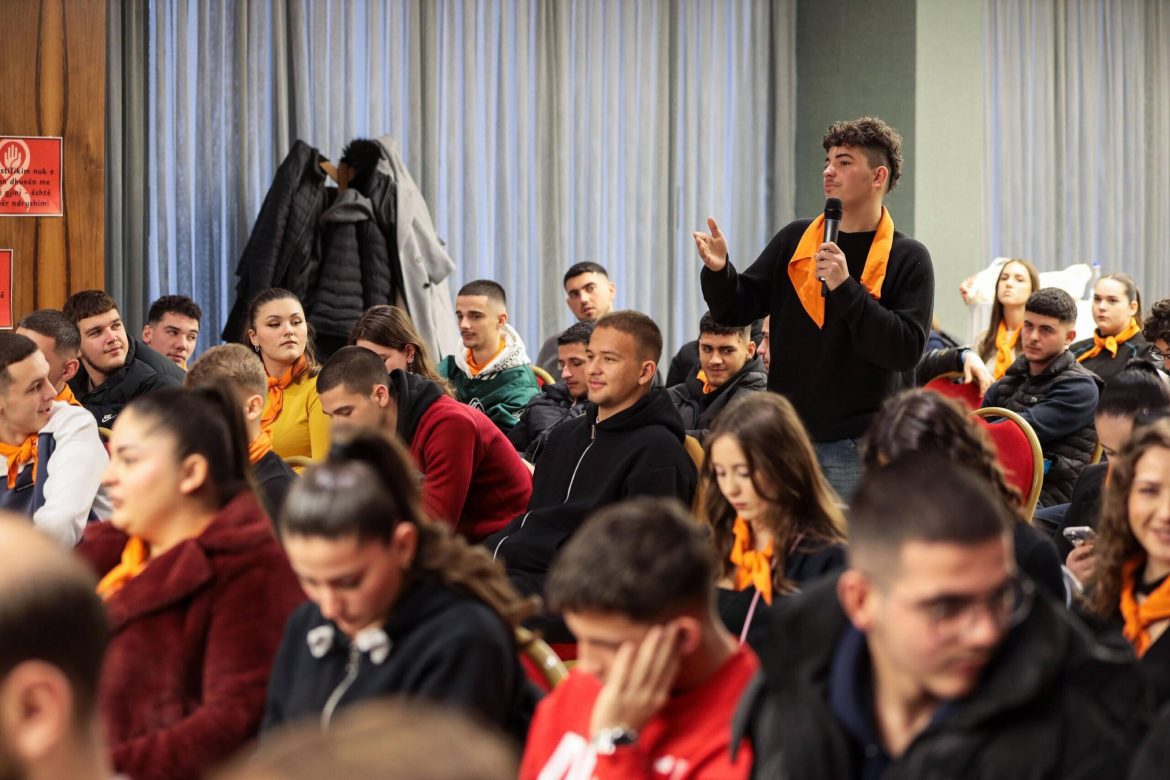
What if young people were not only allowed to talk about politics, but could genuinely have a say? Let’s Debate Change tested exactly that. From 2021 in Kosovo, and from 2024 also in Bosnia and Vojvodina in Serbia, Solidar Suisse set up debating clubs in public schools. The students learned to argue their positions clearly – and developed proposals that they presented to the municipal council. New schoolyards, digitized library catalogues, additional night bus routes: small projects with a big message. Namely, that young people’s ideas count.
Thank you – and may we never unlearn global solidarity
Twenty-six years cannot be taken for granted. They are the result of trust – between people, between organizations, between Switzerland and a region that has worked its way out of war, poverty, and upheaval. Partnership-based development cooperation today faces strong headwinds in global politics. Solidar Suisse found itself compelled to end its work in Southeastern Europe as of the end of 2025. This is painful – because the work is not finished, and the need remains. And yet: what has grown over these years cannot simply be brought to an end. Trade unions that represent their members. Patient organizations that have a voice. Young people who have learned that their ideas count. This continues to have an effect – regardless of project timelines and budgets.
The experiences, partnerships, and insights from Southeastern Europe now feed into programmes in Asia, Africa, and Latin America. Solidarity does not stop at borders.
Southeastern Europe is ending for us. Solidarity goes on.